The convergence of the Internet of Things (IoT) and Big Data is creating unprecedented opportunities for marketers to connect with consumers and drive business growth. As our world becomes more interconnected, the sheer volume, variety, and velocity of data being generated are changing how we understand and engage with customers.
The Rise of the Internet of Things
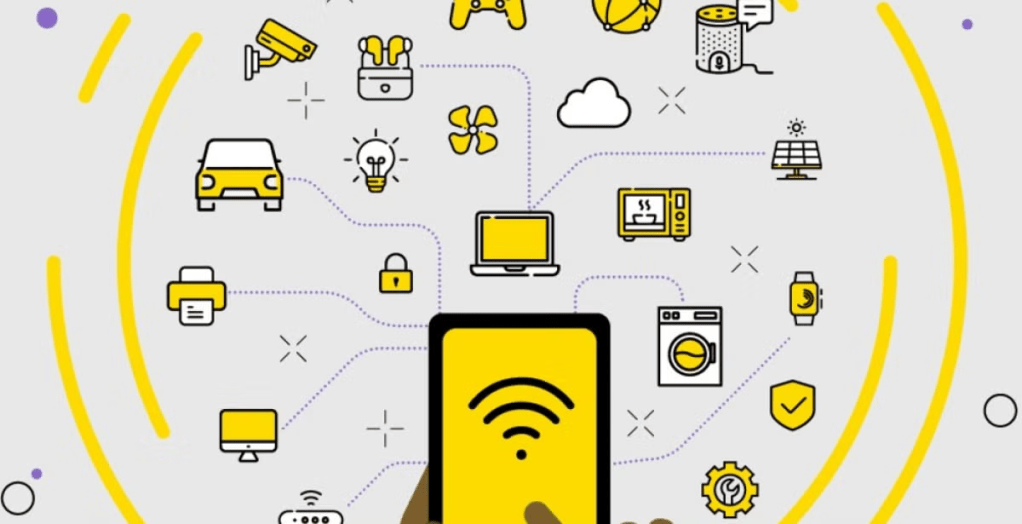
IoT refers to a network of web-enabled smart devices that collect, send, and act on data from their environments. A “thing” can be any natural or manufactured object that can be assigned an IP address and transfer data over a network. This includes everything from a person with a heart monitor to a car with built-in sensors, or even a farm animal with a biochip transponder.
IoT applications are creating “smart” environments everywhere, from smart homes and smart cities to smart health and smart farming. These devices often perform their functions without human intervention. For marketers, this new landscape offers exciting opportunities, such as:
- Increased Efficiency: IoT is being used across industries to enhance efficiency and provide greater value for both businesses and consumers.
- Deeper Consumer Understanding: By collecting various types of data from multiple devices, marketers can gain a more comprehensive understanding of consumer behaviour.
- Enhanced Personalisation: IoT data can unlock insights into a consumer’s lifestyle, allowing for highly personalised marketing campaigns. For example, a refrigerator magnet could automatically place a beer order when supplies are low.
- Location-Specific Promotion: Wearable technology and other IoT devices provide new opportunities for location-specific promotions and immediate consumer engagement.
Navigating the Big Data Deluge
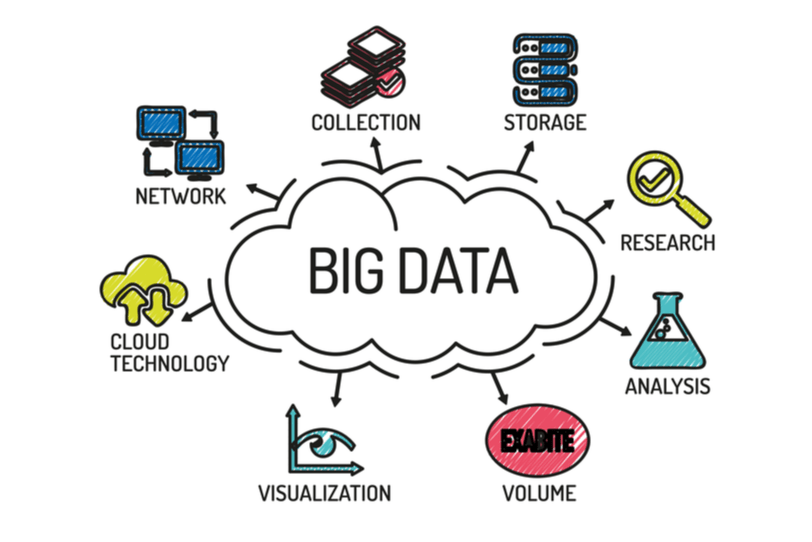
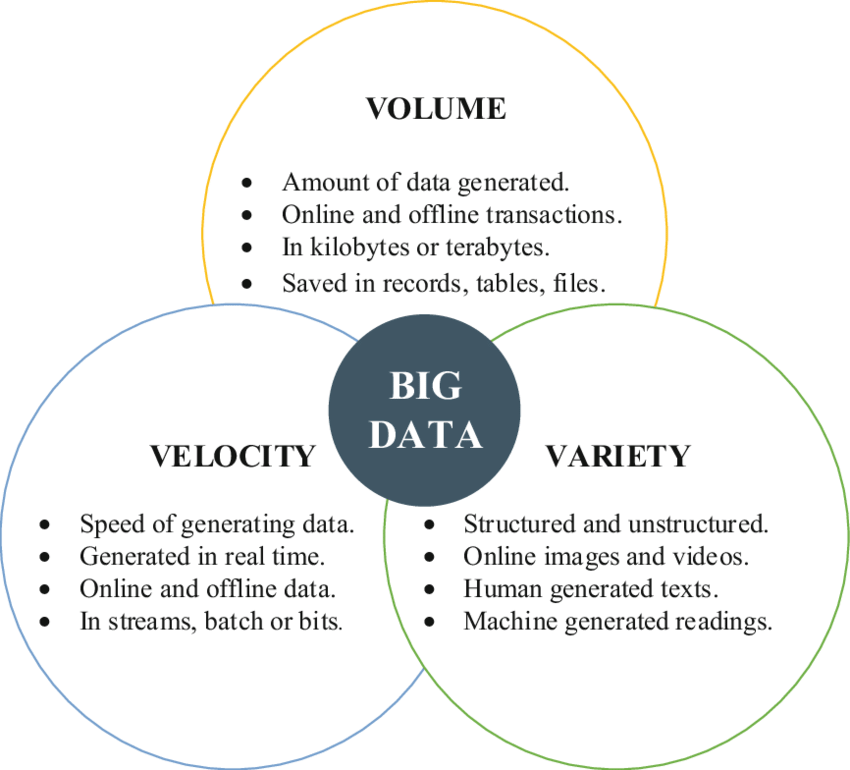
The vast amount of data generated by IoT devices is a key component of what we call “Big Data”. The term Big Data describes datasets that are too large for traditional database software to manage, capture, and analyse. The characteristics of Big Data are often defined by the “3 V’s”:
- Volume: The massive size of the data.
- Velocity: The speed at which data is created and needs to be processed.
- Variety: The different forms of data sources, which can be both structured and unstructured.
More recently, additional “V’s” have been added to the definition, including Veracity (the uncertainty of the data), Variability (and complexity), and Value.
Marketers can transform this data into value through various types of analytics, such as:
- Text Analytics: Analysing written content to understand emotion, tone, and key information.
- Social Media Analytics: Gaining insights from social platforms.
- Predictive Analytics: Using data to forecast consumer behaviour and personalise future interactions.
One of the most potent applications of Big Data in marketing is the concept of “segments of one”. By using data to identify tiny consumer segments, marketers can tailor their marketing mix to individual customers, increasing the relevance of products and services. This also allows for the discovery of “unusual associations” or correlations that might not be obvious, such as a link between purchasing anti-scuff furniture pads and making timely credit card payments.
The Future is Now, but Challenges Remain
A study by Pew Research indicates that while IoT and wearable computing will progress significantly, they also raise significant concerns. The data-drenched world we are entering brings up issues of privacy and a person’s ability to control their own life. It also increases the risk of disenfranchising those who are either unconnected or choose not to be.
However, the consensus among experts is that these technologies will ultimately redefine the relationships between individuals and organisations. As marketers, our challenge is to navigate this new landscape responsibly, using the power of IoT and Big Data to create more relevant, valuable, and seamless experiences for our customers, while being mindful of the ethical implications.
 HIEN VU
Leave a comment